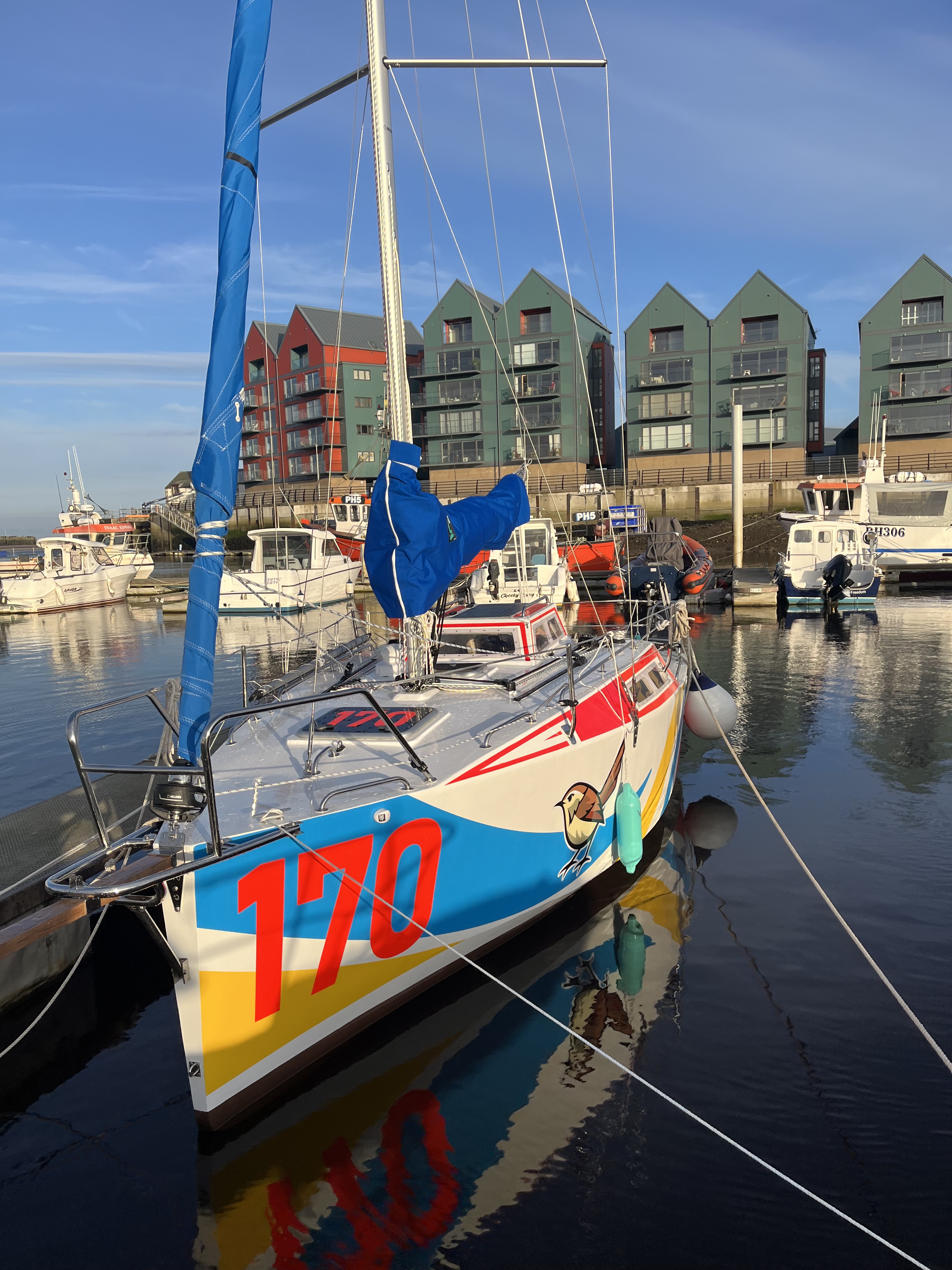
The Cockpit
The cockpit is completely sealed from the internal cabins. It will have three large drain holes to let water drain. As with the rest of the outside of the boat it is covered in fibreglass to strengthen the whole structure and make fully waterproof.
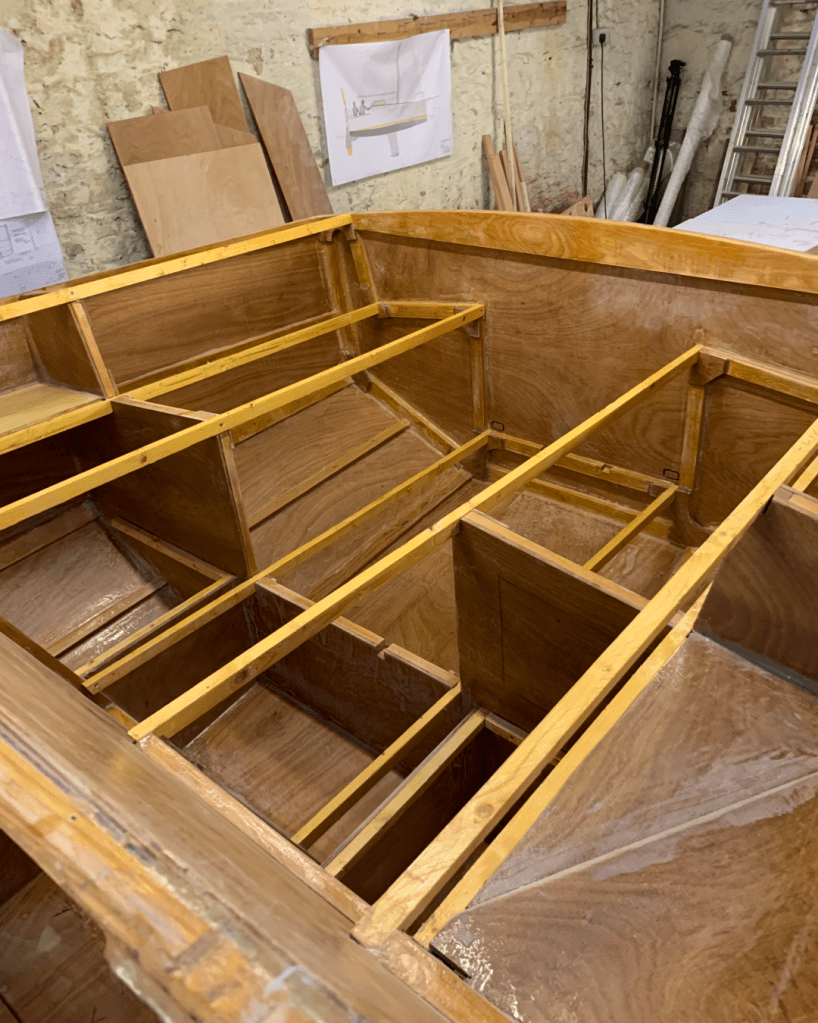


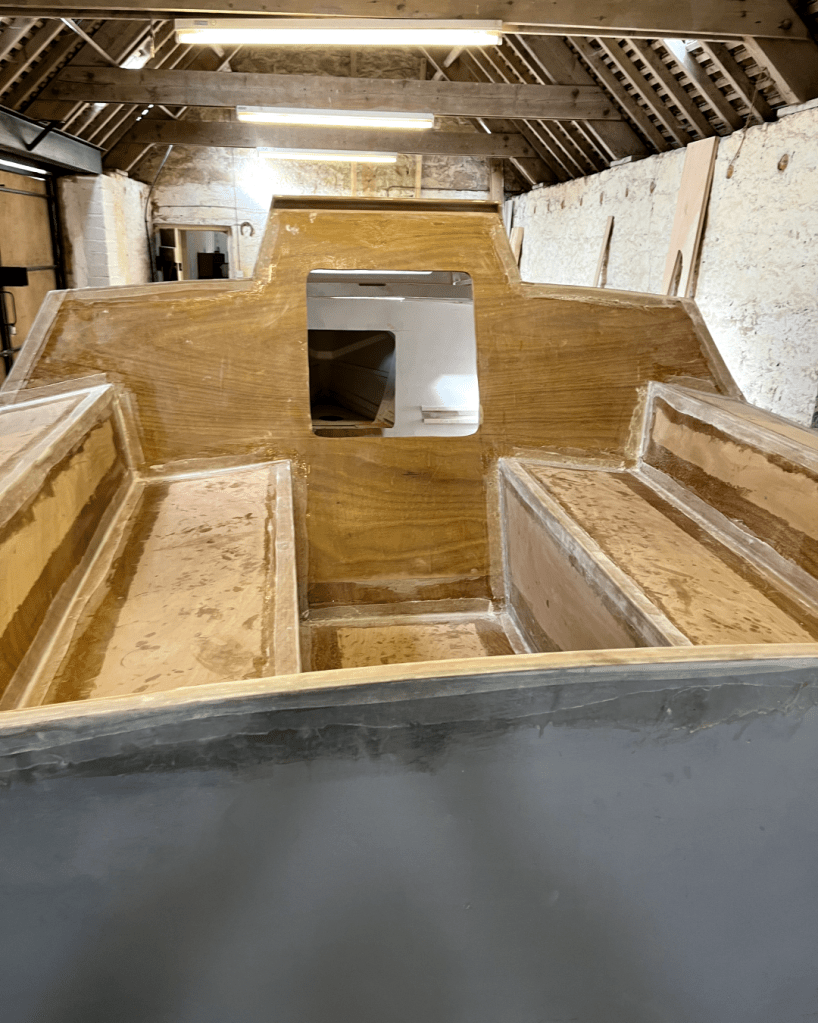
Forepeak and crash box
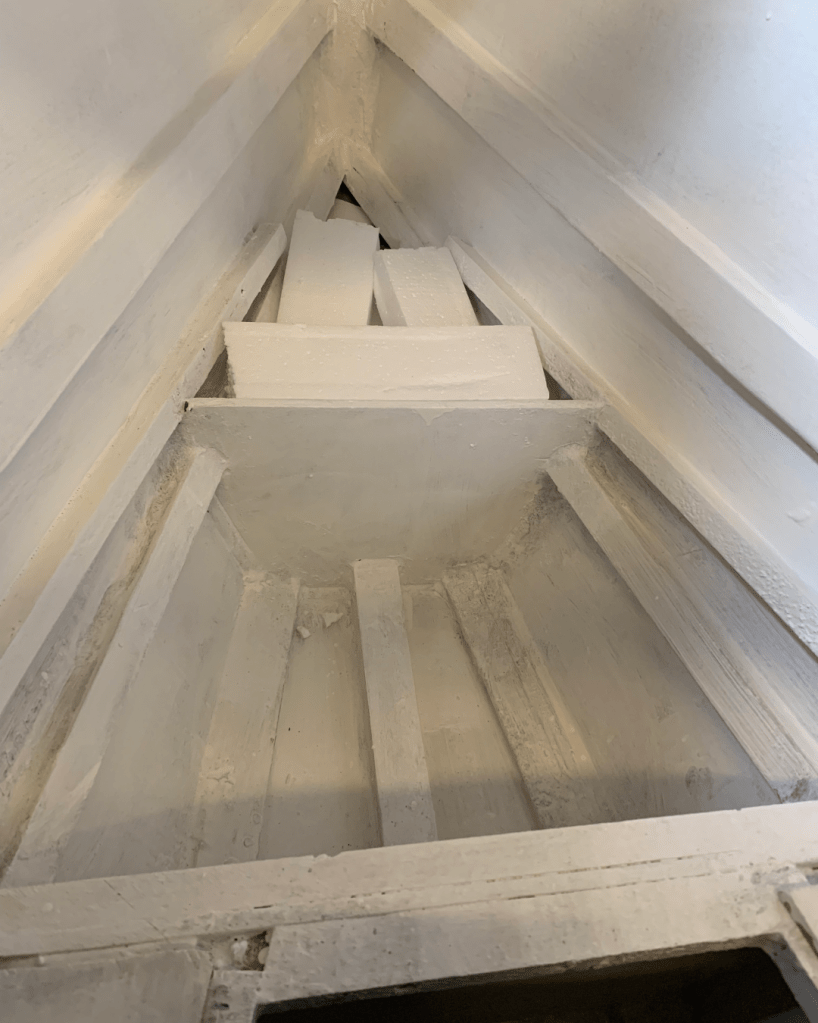
The forepeak will be used mainly for storage. The main batteries will be in one of the compartment and other areas will be filled with tinned food and other general supplies. The very front of the forepeak is the crash box which has been filled with polystyrene and sealed.

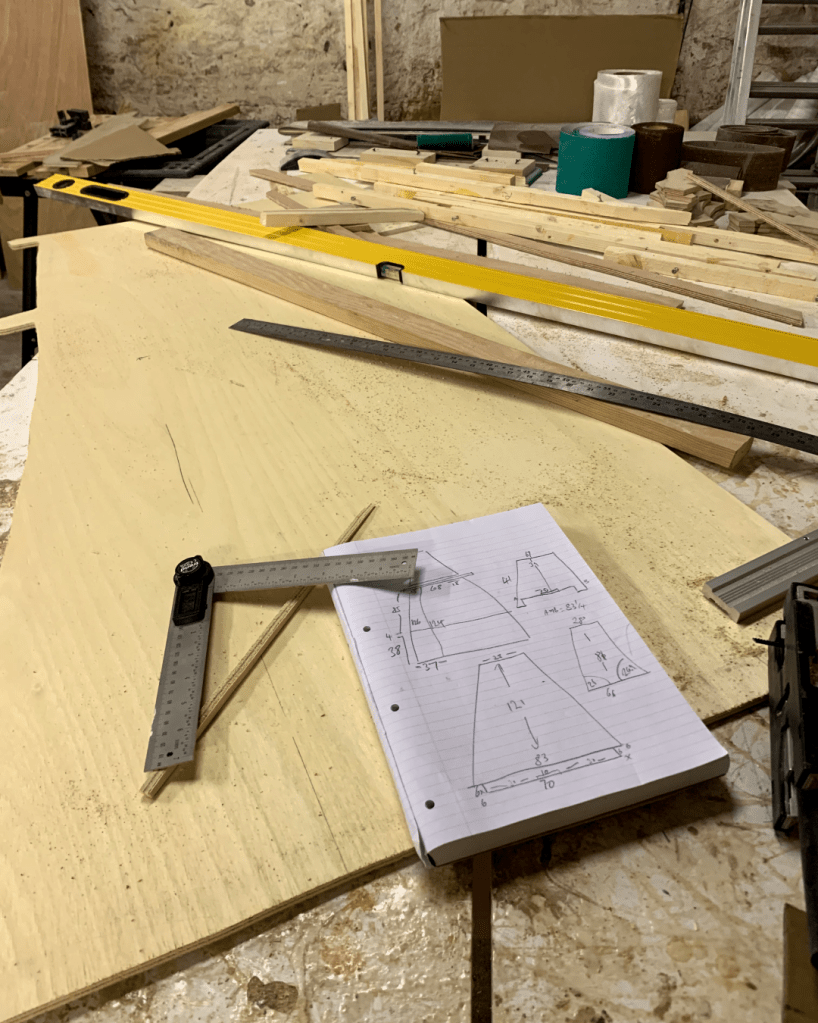

Main cabin
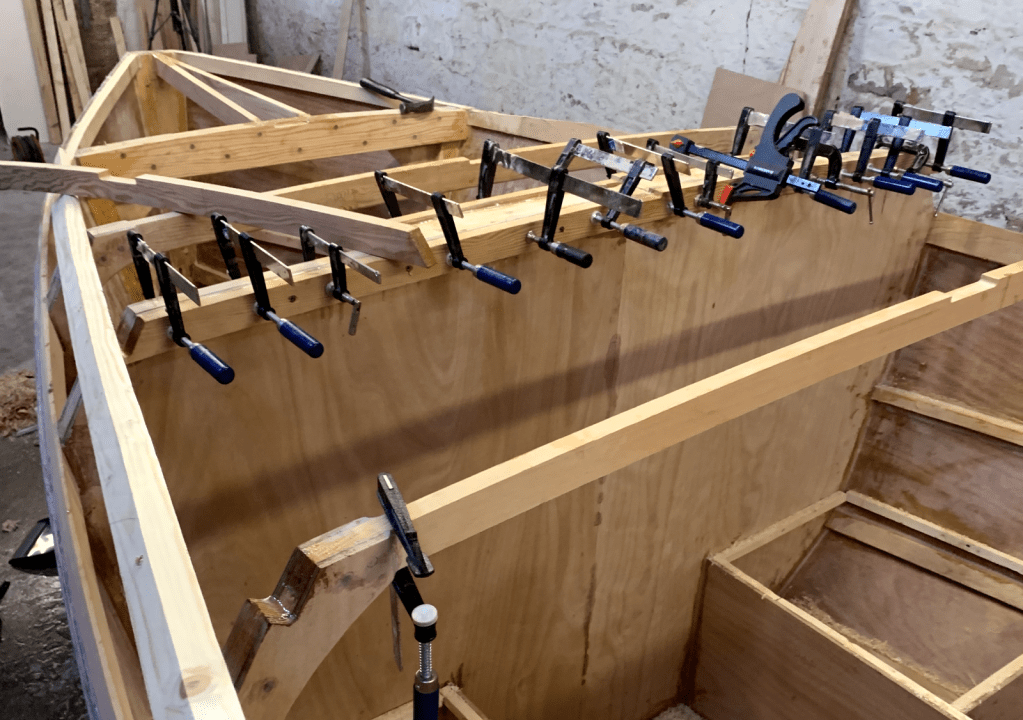
The main cabin has two bunks, one on port and one on starboard, a navigation table and a galley.There is also spacious storage below and on either side of the bunks. All the cabins are made of9mm marine ply and have had two coats of epoxy followed by a two part epoxy primer and finally top coat.
The Skeg
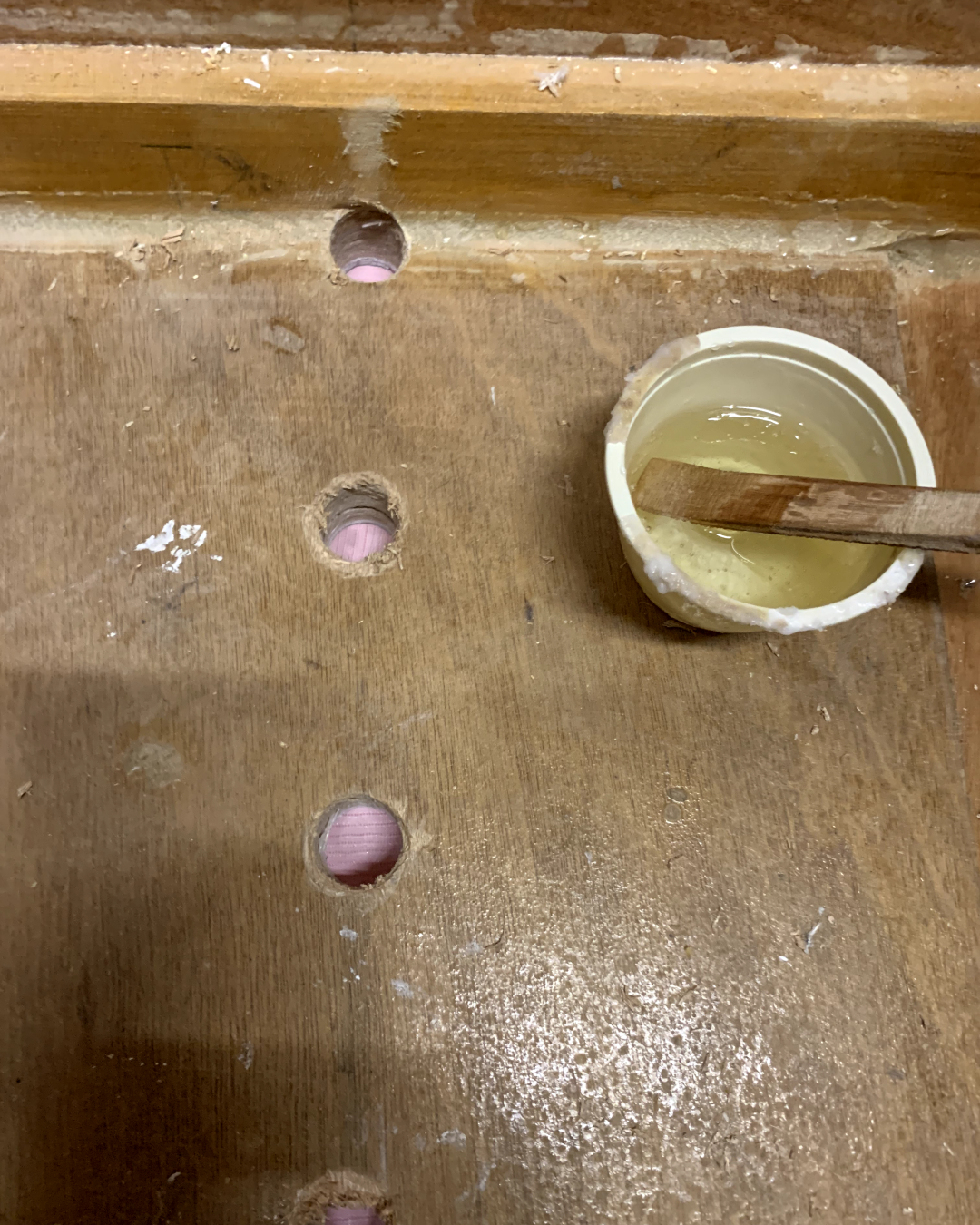
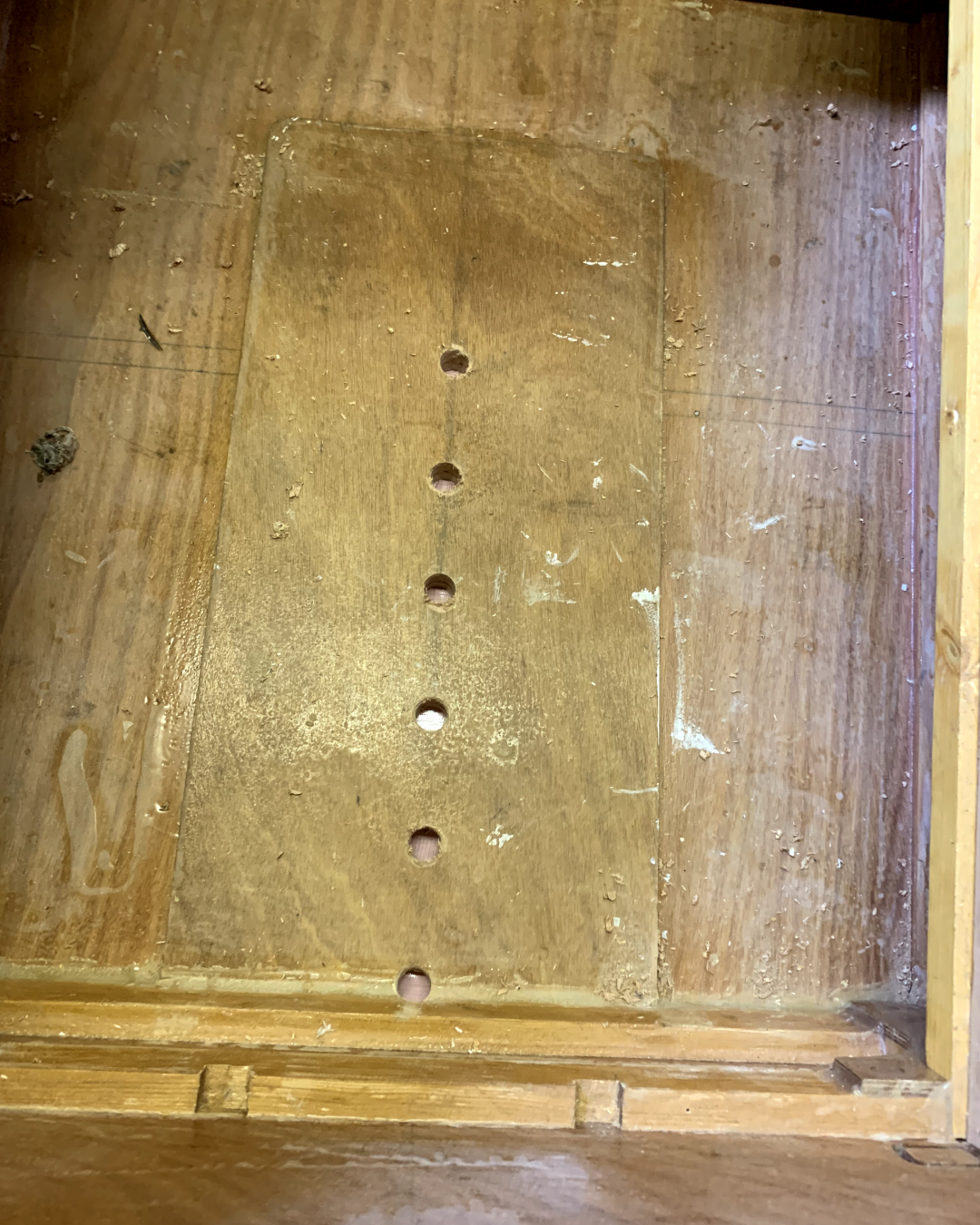
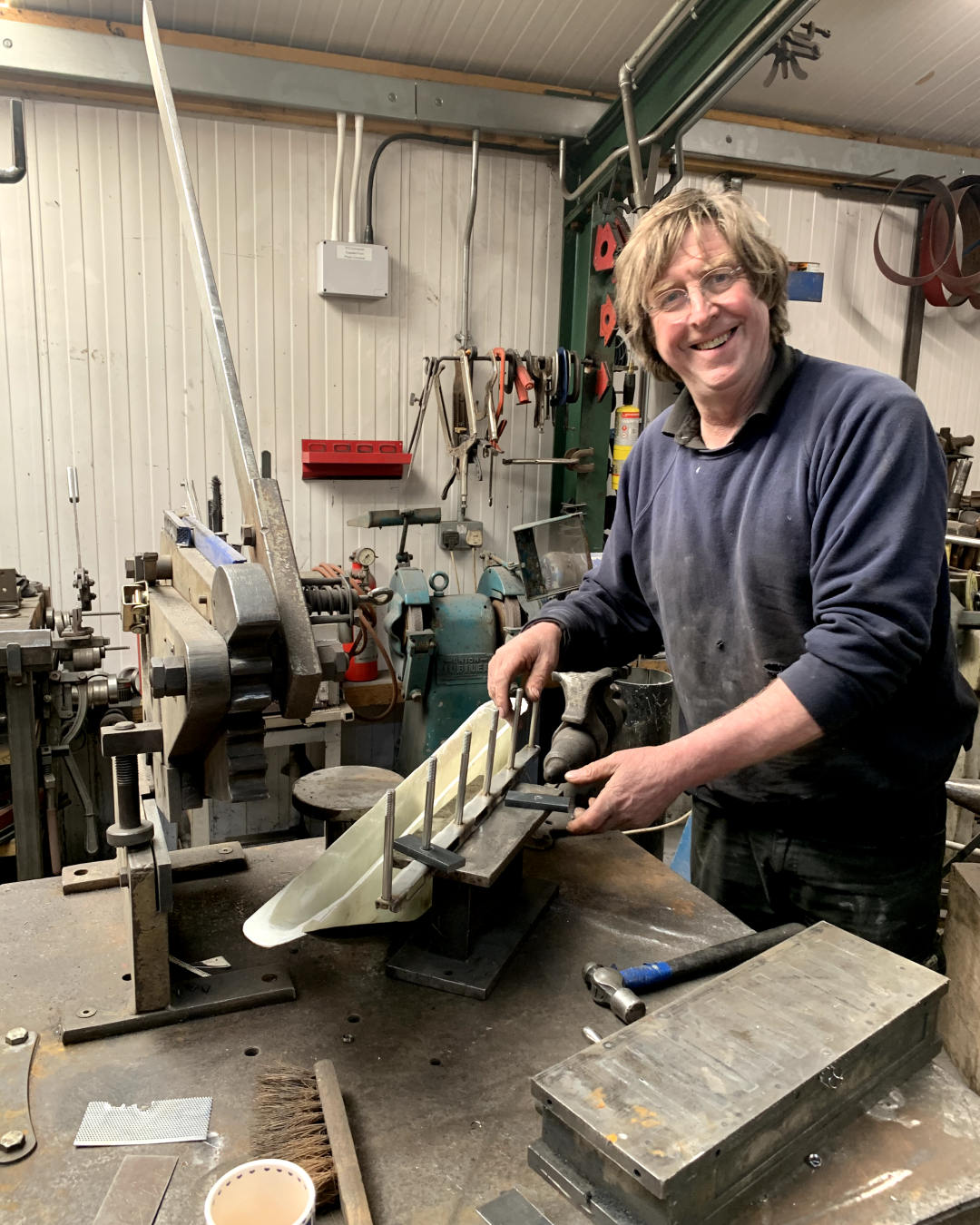
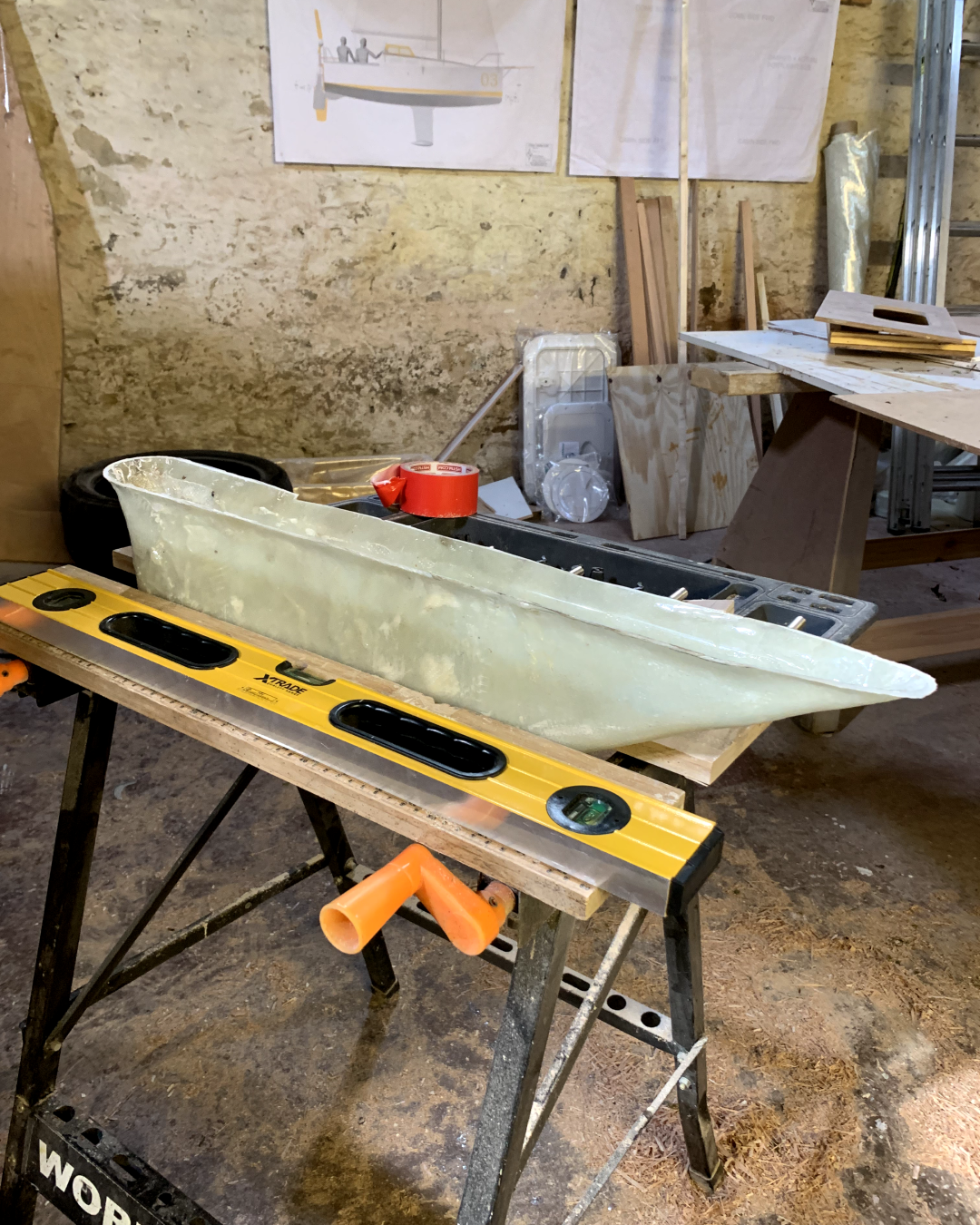
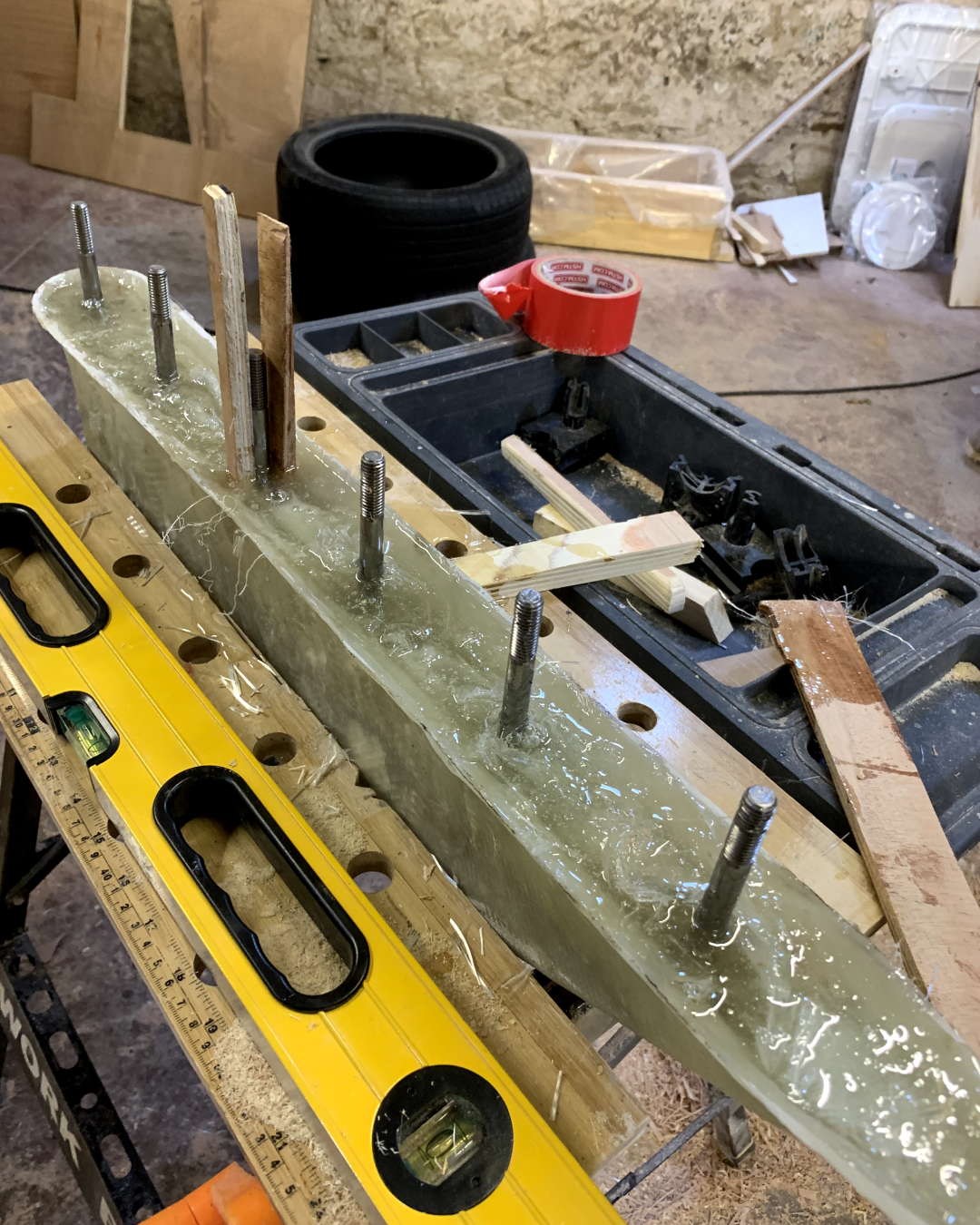
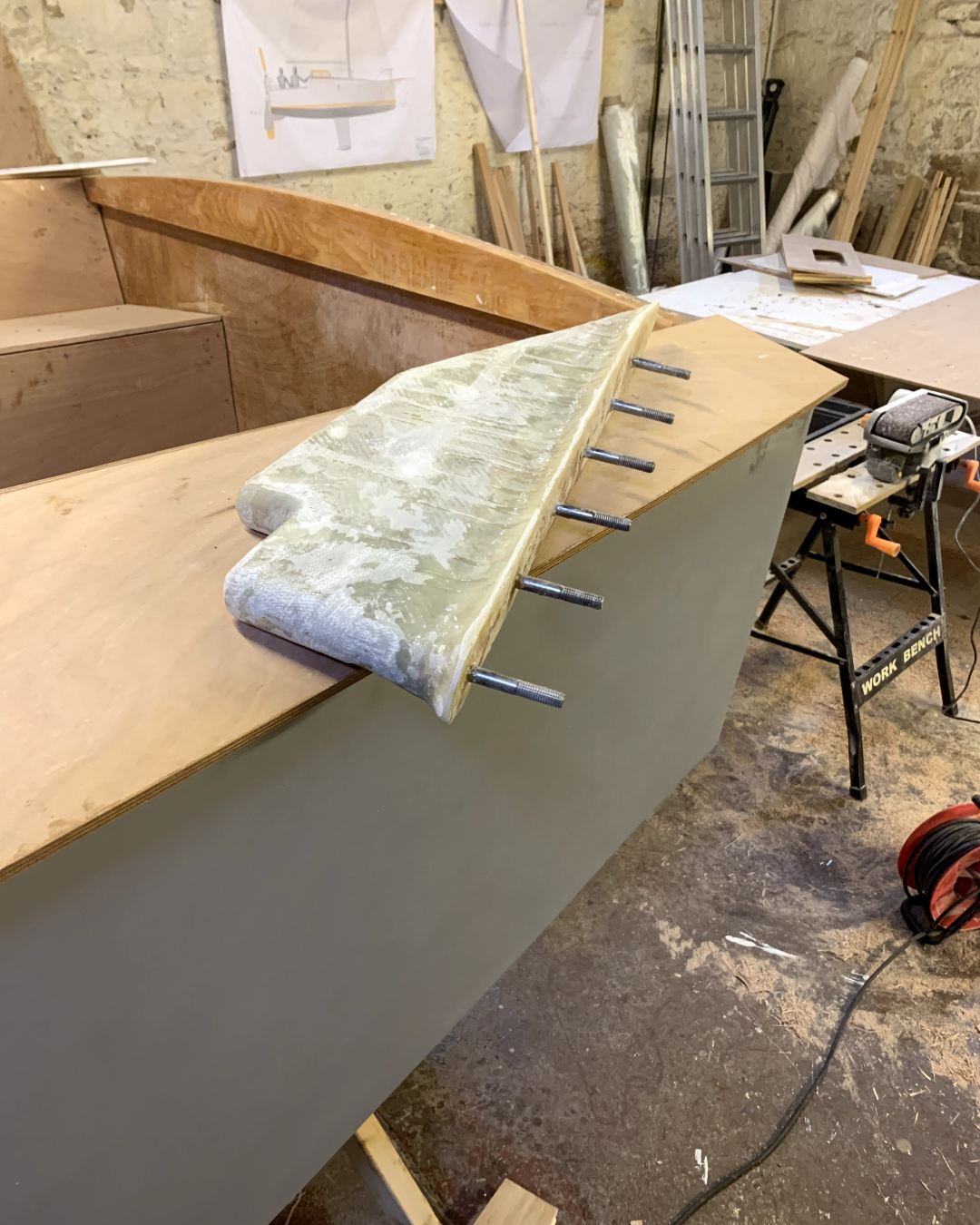
It is vital to have a strong skeg as the rudder fixes onto the boat at the top of the transom and the skeg at the bottom.A previous builder, Pete Kenyon, who sailed his Mini 580 across the Atlantic used3d printing to make a template of the skeg. I used this to make the skeg. Many thanks Pete! Stepone, cover the template with fibreglass. Step two, take out the template and fill the void with epoxy resin and chopped up fibreglass. Many thanks to my friend Hector for making the stainless bolts to bolt the skeg onto the bottom of the boat

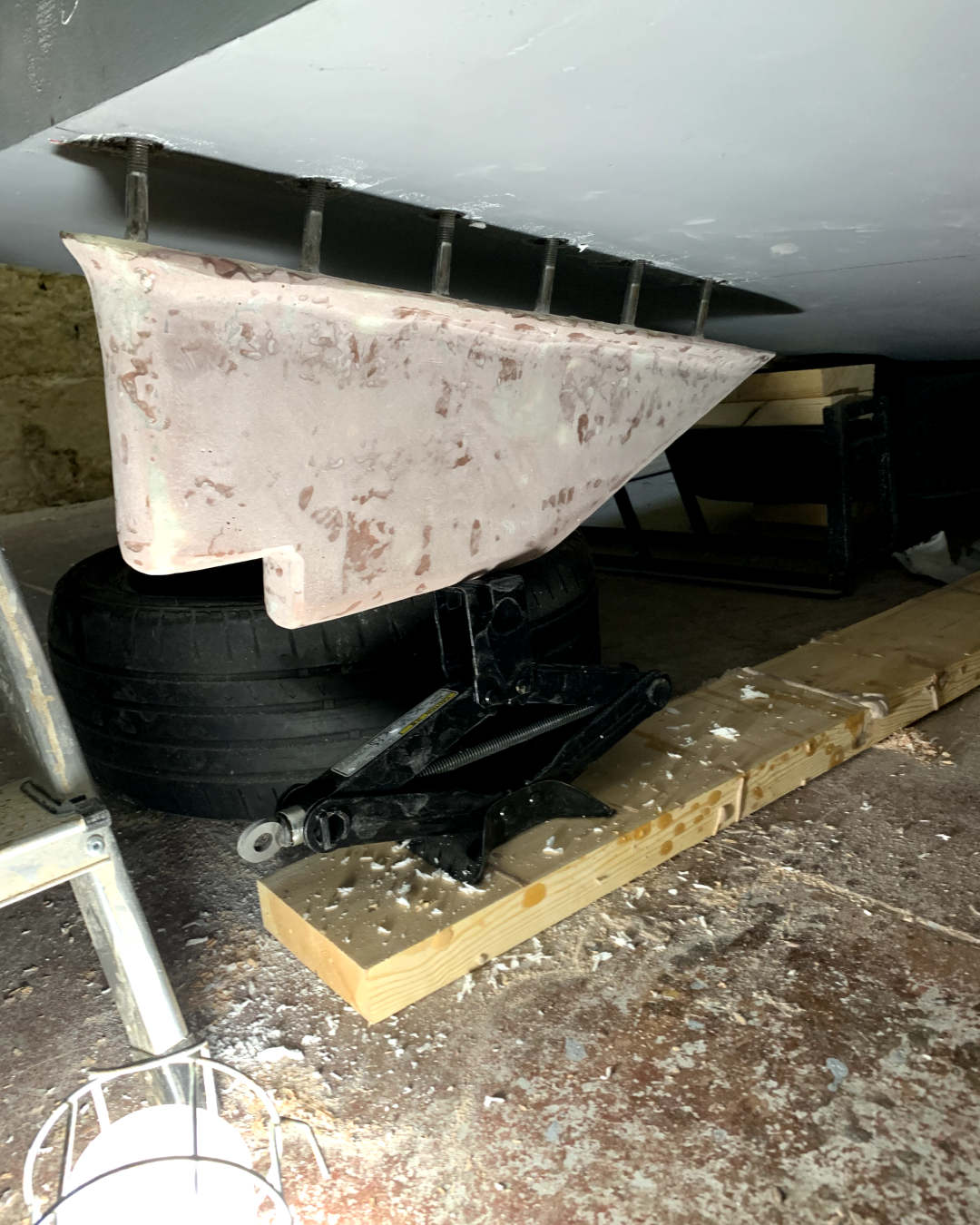
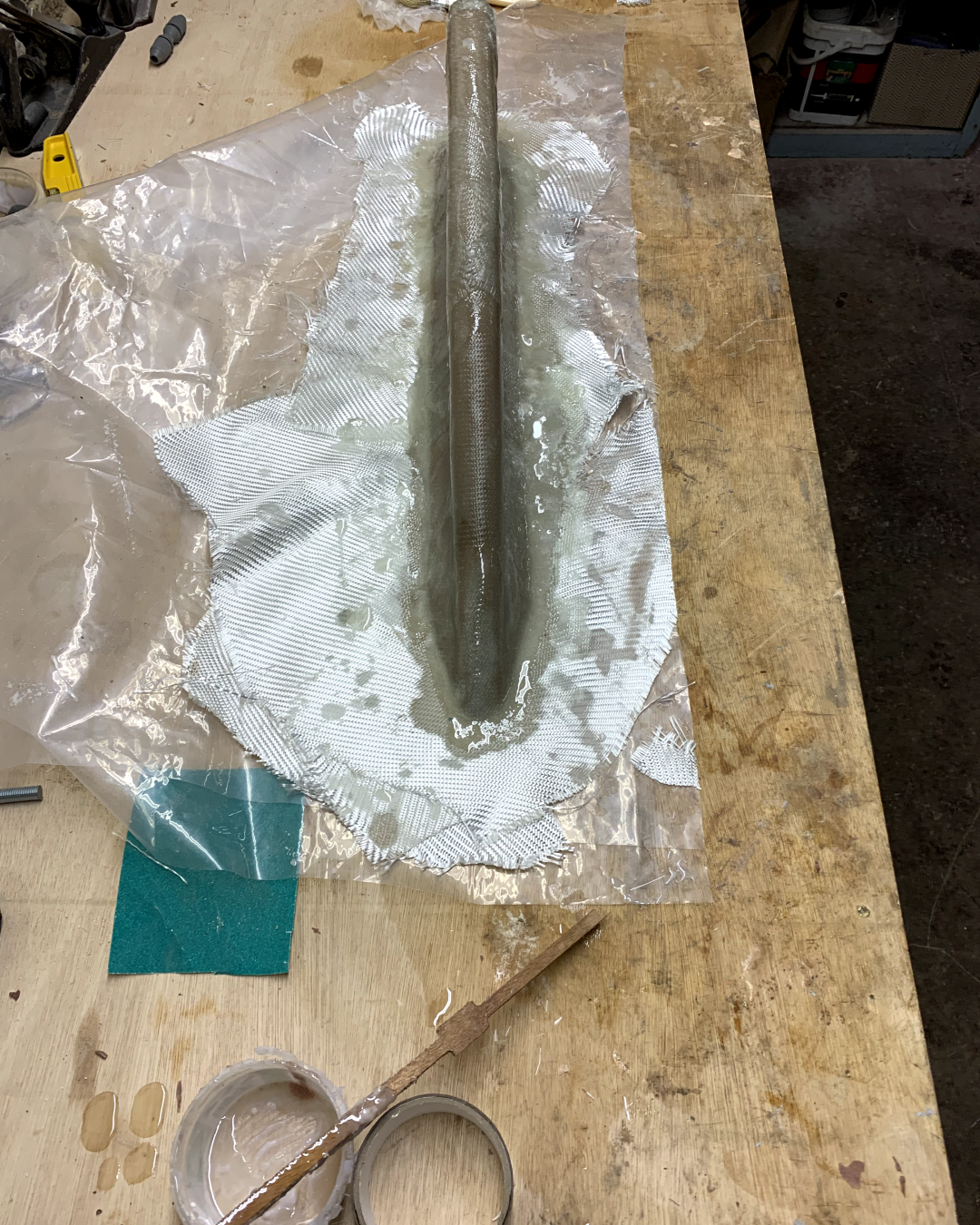
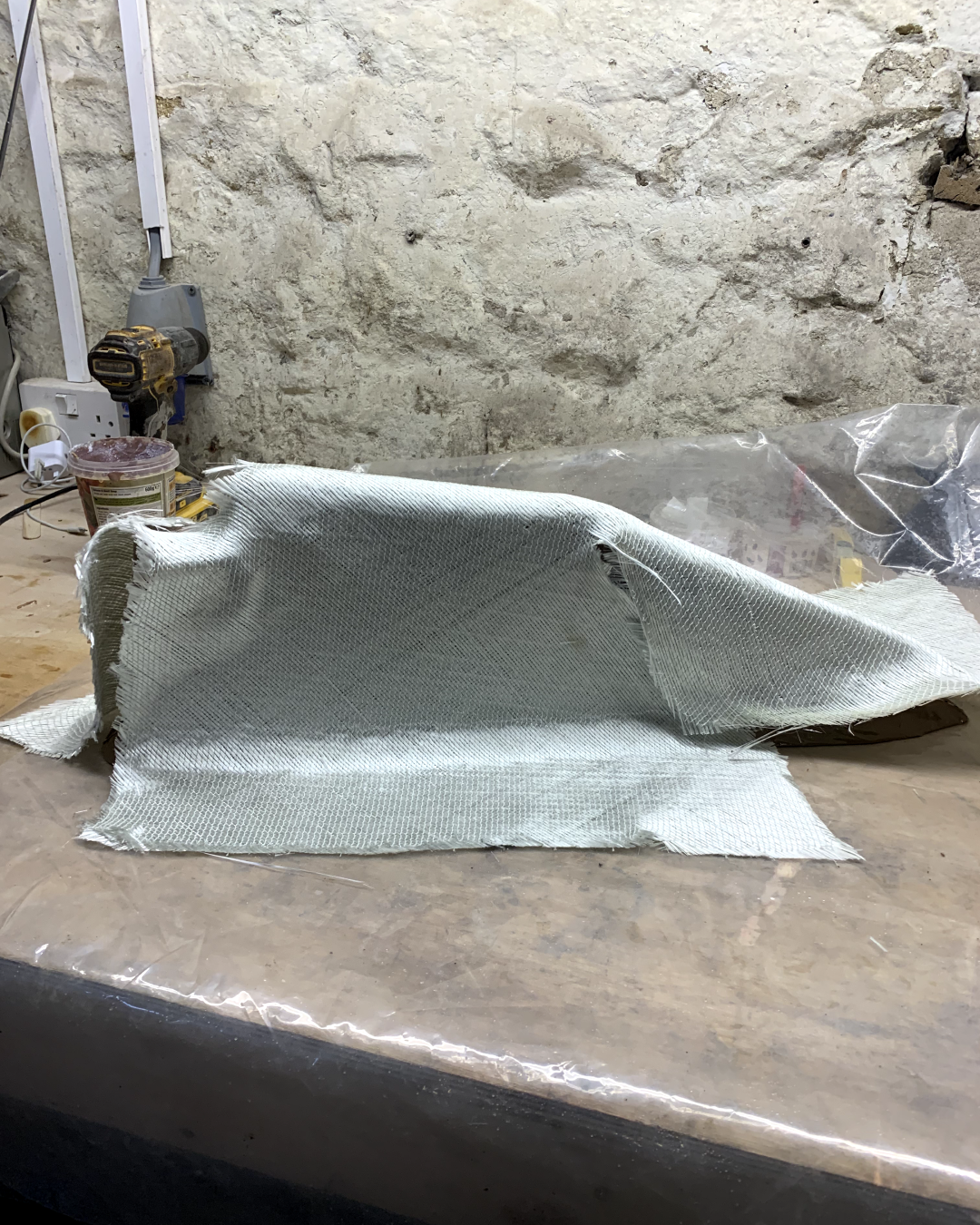

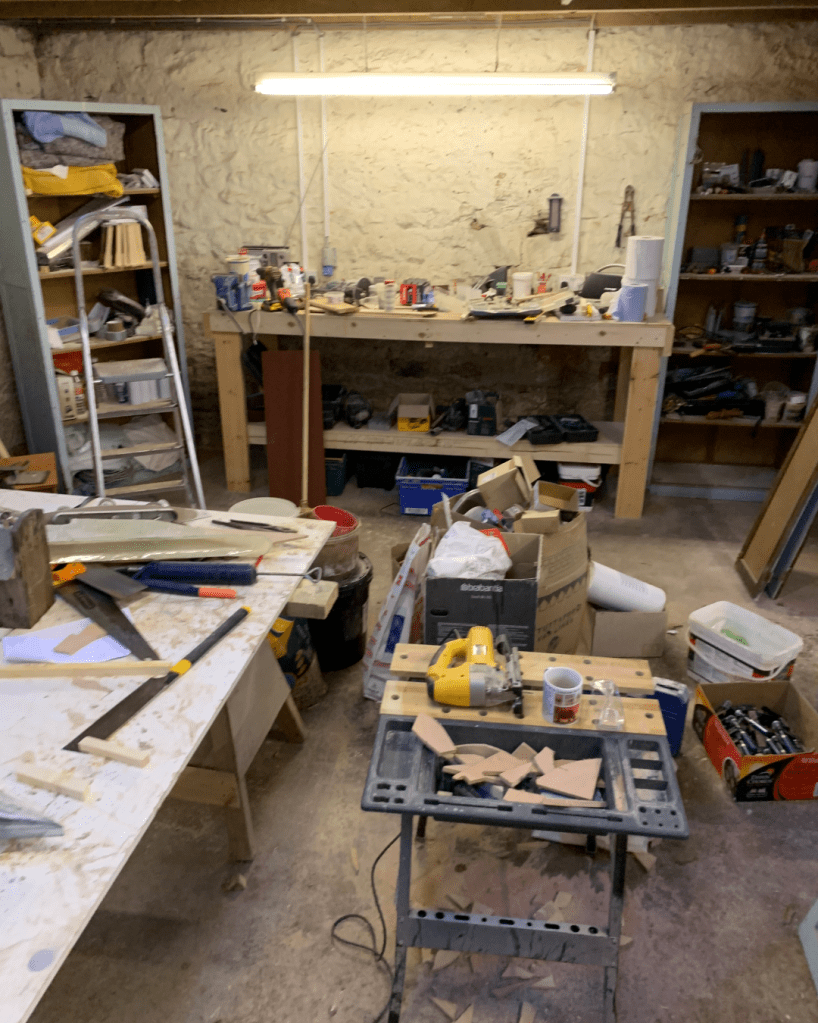
Everyone need to keep a tidy workshop! I slipped into bad habits and found it impossible to find anything! I set one morning aside to get my house in order!
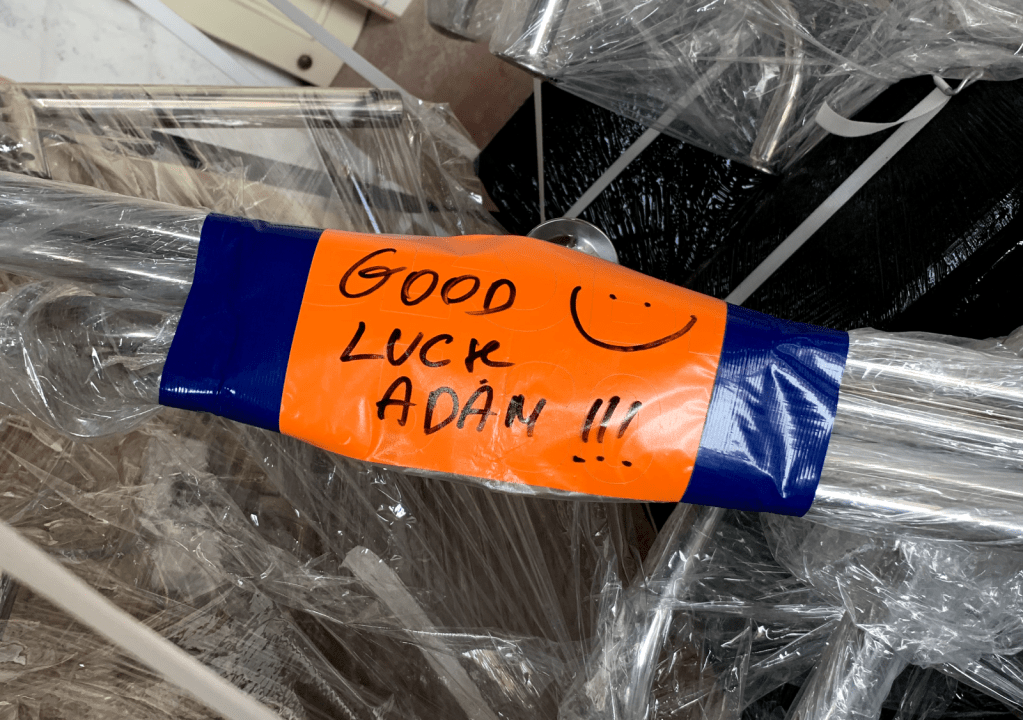
My building mentor from Poland, Piotr, made all the stainless parts for me. Many thanks Piotr!
 ClearBlueSea
Leave a comment